Photodynamic Therapy
An effective, non-surgical treatment for sun damaged skin and certain skin cancers.
Photodynamic Therapy, commonly known as PDT, is an advanced treatment for sun damaged skin, actinic keratoses and certain superficial skin cancers. It is a non-surgical procedure that produces excellent results with minimal downtime and is now available at our Gisborne clinic. If your GP has identified areas of sun damage or precancerous skin changes, PDT may be an effective option worth discussing.
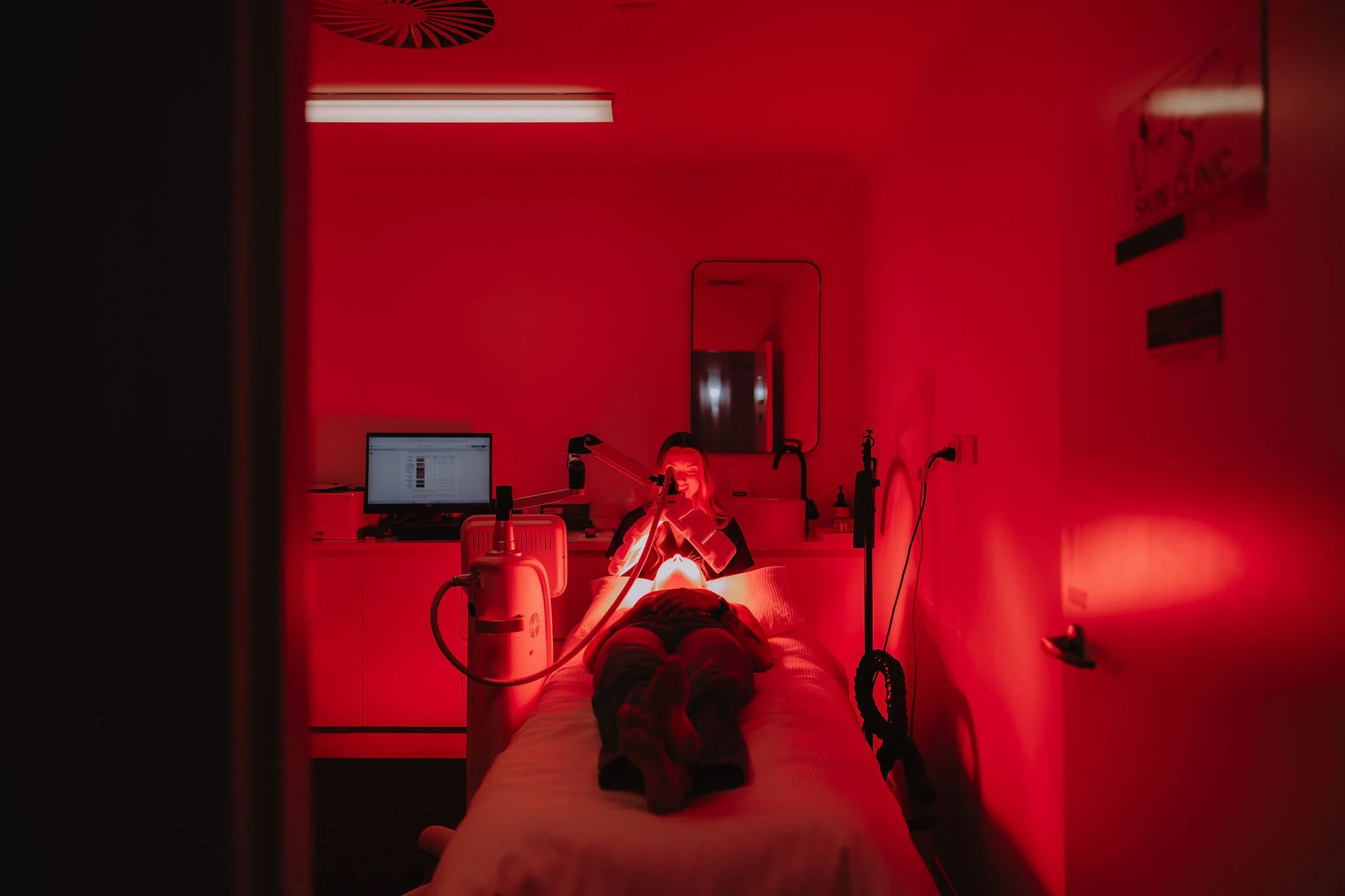
What to Expect
Your first step is a skin assessment with your GP. If PDT is recommended, your GP will explain the process and recommend an appointment at the Neal St Skin Clinic on level 2 of the Neal St Clinic building.
On the day of your treatment, a light-sensitive cream will be applied to the affected area and you will need to wait while it absorbs into the skin. This typically takes one to two hours. The light treatment itself is relatively brief. You will need to protect the treated area from sunlight immediately after the procedure and for a period of time following treatment, so it is worth planning ahead and arranging a lift home if needed rather than sitting in a car in direct sun.
A follow-up appointment will be scheduled after your treatment so your GP can assess how the skin has responded and determine whether further sessions are needed.
How We Help
-
PDT is a two-stage treatment that uses a light-sensitive cream and a specific wavelength of light to target and destroy abnormal skin cells. The cream is applied to the affected area and left to absorb into the skin for a period of time. A light source is then used to activate the cream, which works to destroy the targeted cells while leaving the surrounding healthy skin largely unaffected. The result is a more effective treatment of the affected area with a better cosmetic outcome than some surgical alternatives.
-
PDT is most commonly used to treat actinic keratoses, which are rough, scaly patches caused by years of sun exposure and are considered precancerous. It is also used to treat certain superficial basal cell carcinomas and other sun damage related skin conditions. Your GP will assess your skin and advise whether PDT is the right treatment for your particular situation.
-
PDT is suitable for many patients with sun damaged skin or early skin cancer changes, but it is not appropriate for all skin conditions or all patients. Your GP will assess your skin thoroughly before recommending PDT and explain clearly whether it is the right option for you. If another treatment approach is more suitable, your GP will discuss the alternatives.
-
The number of sessions required depends on the extent and nature of the skin changes being treated. Some patients need only one session while others benefit from a course of treatment. Your GP will give you a realistic indication of what to expect at your initial assessment.
-
During the treatment you may experience a warming or stinging sensation as the light activates the cream. This is normal and manageable for most patients. After treatment the skin may appear red and feel tender for a few days, similar to mild sunburn. Most patients find this settles within a week. Your GP will give you clear aftercare instructions and advice on sun protection following treatment, which is particularly important in the weeks after PDT.
Book an Appointment Today
Talk to your GP about whether PDT is right for you. Book a skin assessment at your preferred clinic, any time.